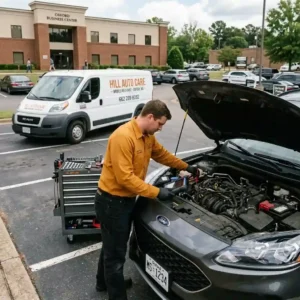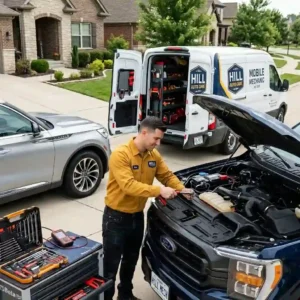
Driving a Lincoln offers a unique blend of American luxury, smooth whisper-quiet performance, and cutting-edge technology. Whether you commute daily in a Lincoln Navigator, cruise in an Aviator or Corsair SUV, or drive a refined MKZ or Continental sedan, keeping your vehicle operating at peak performance requires specialized attention. Practicing consistent, high-quality Lincoln Car Care is essential for preserving the effortless driving dynamics and long-term reliability you expect from a premium vehicle.
Modern luxury vehicles rely on high-output EcoBoost turbocharged engines, complex active air suspensions, intelligent all-wheel-drive systems, and dense electrical networks. While these engineering features deliver incredible comfort and power, they also mean that generic, quick-lube maintenance simply won’t cut it. Investing in comprehensive, professional Lincoln Car Care keeps your vehicle running smoothly, prevents expensive unexpected breakdowns, and protects its market value for years to come.
Why Dedicated Lincoln Car Care Makes All the Difference
Luxury cars are engineered with precision tolerances and complex electronic infrastructure. Skimping on routine maintenance or using cheap, low-grade parts can quickly cause minor wear items to snowball into major mechanical failures.
Here is why prioritizing dedicated Lincoln Car Care protects your luxury investment and ensures total peace of mind on the road:
- Protects Turbocharged EcoBoost Engines: Most modern Lincoln models feature high-performance 2.0L, 2.7L, or 3.5L Twin-Turbo EcoBoost engines. Regular Lincoln Car Care ensures clean, high-viscosity synthetic oil flows continuously to the turbochargers, cooling vital bearings and preventing thermal breakdown under boost.
- Preserves Smooth Air Suspension Systems: Lincoln’s signature cushion ride in models like the Navigator and Continental relies on air bags, ride height sensors, and electric compressor pumps. Specialized Lincoln Car Care catches air line micro-leaks early before they burn out the expensive air compressor.
- Prevents Battery Drain & Electrical Glitches: Luxury cabin technology, massaging seats, active noise cancellation, and automated driver assistance systems place heavy demands on your battery. Proactive Lincoln Car Care monitors electrical health to prevent sudden dead-battery incidents.
- Saves Thousands on Avoidable Repairs: Simple preventative tasks—like flushing coolant, replacing spark plugs on time, and checking hydraulic lines—stop cascading engine or transmission damage before it starts.
To explore a complete range of professional luxury auto repair solutions, visit HILL AUTO CARE SERVICES.
Essential Pillars of Complete Lincoln Car Care
To keep your vehicle running like new mile after mile, understanding the primary components of routine Lincoln Car Care is crucial for every Lincoln owner.
1. Computerized Diagnostics and ECU Scanning
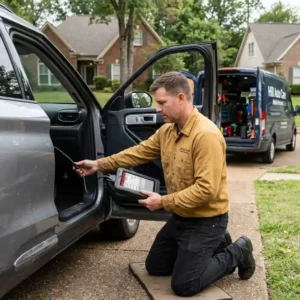
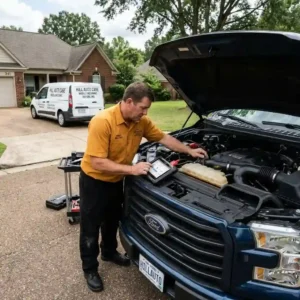
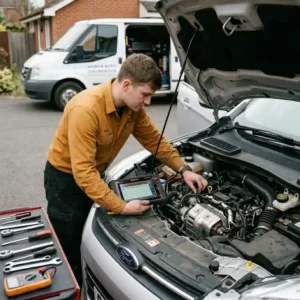
Modern Lincoln vehicles contain dozens of interconnected electronic control units (ECUs). Computerized diagnostic scans form a core foundation of effective Lincoln Car Care, reading active and historical trouble codes to catch sensor malfunctions, turbo pressure drops, or fuel trim errors long before a dashboard light flickers. Learn more about local technical expertise and service standards on our ABOUT US page.
2. High-Performance Full Synthetic Oil Services
Turbocharged engines generate extreme heat and internal pressure. Changing motor oil using manufacturer-recommended full synthetic oil during scheduled Lincoln Car Care prevents sludge accumulation, protects internal timing chains, and maintains maximum engine power.
3. Precision Hydraulic Brake Care
Stopping a heavy luxury SUV or high-horsepower sedan requires optimal braking performance. Comprehensive Lincoln Car Care includes inspecting brake pad thickness, checking ventilated rotors for heat warping, flushing moisture-laden brake fluid, and testing electronic parking brake actuators. Explore our full repair capabilities on our SERVICES page.
4. EcoBoost Ignition & Fuel System Care
Direct-injection turbocharged engines are sensitive to spark plug wear and carbon buildup on intake valves. Scheduled Lincoln Car Care tune-ups—including installing fresh iridium spark plugs and cleaning fuel injectors—restores lost throttle response and eliminates rough idling. Review our tailored maintenance plans under AUTOMOTIVE MAINTENANCE OPTIONS.
5. Air Suspension & Steering Maintenance
If your Lincoln features adaptive air ride, routine Lincoln Car Care includes inspecting rubber air bellows for weather cracking, testing height sensors, and verifying solenoid valve operation. Keeping your suspension balanced protects your tires and keeps that smooth, floating ride intact.
6. Battery, Alternator & Charging System Care
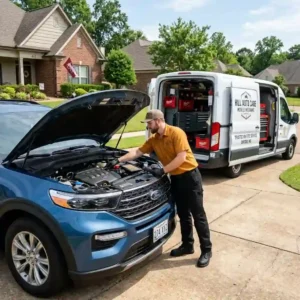
Lincoln vehicles draw electrical power continuously, even when parked, to power keyless entry modules, security networks, and cellular connectivity. Routine load testing during your Lincoln Car Care checkup verifies whether your battery and alternator are maintaining proper voltage. Check out how we handle starting issues on our ON-SITE DIAGNOSTICS page.
Warning Signs Your Vehicle Needs Immediate Lincoln Car Care
Paying attention to subtle changes in how your vehicle drives or sounds can save you thousands in major repairs. Do not ignore these common signs that immediate Lincoln Car Care is needed:
- Active Warning Lights: A steady or flashing check engine light, “Check Air Suspension” message, or battery alert requires immediate diagnostic scanning.
- Vehicle Sagging When Parked: If one corner or the rear end of your vehicle sags after sitting overnight, your air suspension has a leak that requires Lincoln Car Care.
- Engine Hesitation or Knocking: Sputtering under hard acceleration or rough idling suggests ignition misfires, bad fuel injectors, or worn spark plugs.
- Grinding or Spongy Braking: High-pitched squealing, pedal pulsation, or a soft brake pedal indicates severely worn pads or air in your brake lines.
- Loud Compressor Running Noise: Hearing your suspension air compressor running constantly or loudly indicates it is working overtime due to a system air leak.
If you notice any of these warning signals, do not wait until you are stuck on the side of the road. Reach out through our CONTACT US portal to book an inspection right away.
Recommended Lincoln Car Care Maintenance Schedule
Adhering to a consistent maintenance schedule ensures your luxury vehicle performs reliably across every season. Use this handy milestone guide to stay on top of your vehicle’s needs:
| Maintenance Interval | Essential Lincoln Car Care Tasks | Long-Term Vehicle Benefit |
| Every 5,000 to 7,500 Miles | Full synthetic oil change, oil filter replacement, tire rotation, multi-point fluid check | Cools EcoBoost turbochargers, prevents engine wear, & ensures even tire wear |
| Every 15,000 to 20,000 Miles | Engine air filter replacement, cabin air filter change, wiper blade check, brake pad inspection | Maintains clean cabin air, ensures clear visibility, & protects engine intake airflow |
| Every 30,000 to 45,000 Miles | Hydraulic brake fluid flush, battery load testing, suspension air line inspection, tire alignment check | Restores crisp stopping power, prevents sudden starting failures, & preserves air ride |
| Every 60,000 to 90,000 Miles | Spark plug replacement, engine coolant flush, transmission fluid service, transfer case / AWD fluid check | Eliminates engine misfires, protects internal transmission gears, & prevents overheating |
Comparing Quality Professional Lincoln Care vs. Generic Quick-Lubes
| Service Factor | Generic Quick-Lube Shops | Specialized Professional Lincoln Car Care |
| Diagnostic Tools | Basic handheld code readers | Advanced factory-level diagnostic tablets & live ECU data |
| Oil & Fluid Specs | Standard bulk conventional/blend oil | Premium full synthetic oils matching strict factory specs |
| Technician Expertise | Entry-level general lube techs | Certified technicians trained in EcoBoost & air suspension systems |
| Parts Quality | Cheap aftermarket white-box parts | OEM or high-grade equivalent components backed by warranty |
| System Testing | Fast oil swap with minimal inspection | Comprehensive multi-point electronic & mechanical inspection |
Frequently Asked Questions (FAQs)
1. How often should I schedule Lincoln Car Care oil changes?
For modern Lincoln models using full synthetic oil, plan on scheduling oil service every 5,000 to 7,500 miles or at least once every 6 months. If you drive frequently in stop-and-go traffic or extreme hot/cold weather, sticking closer to 5,000 miles is ideal for turbo longevity.
2. Why is full synthetic oil mandatory for Lincoln EcoBoost engines?
EcoBoost engines use turbochargers that operate at extremely high speeds and temperatures. Full synthetic oil resists thermal breakdown and varnish accumulation, keeping turbo bearings lubricated and preventing costly turbocharger failure.
3. What causes a Lincoln air suspension to sag at one corner?
Air suspension sagging is usually caused by small cracks in the rubber air spring bellows, a leaking air line fitting, or a faulty height sensor. Getting prompt Lincoln Car Care prevents the electric air pump from running constantly and burning out.
4. How long does a Lincoln car battery typically last?
Because Lincoln luxury vehicles carry heavy electronic loads—including automated features, heated/cooled seats, and complex infotainment systems—batteries typically last between 3 and 5 years. Regular battery load testing helps catch a failing battery before it leaves you stranded.
5. What should I do if my check engine light starts flashing while driving?
A flashing check engine light signifies a severe engine misfire that can quickly overheat and ruin your expensive catalytic converters. Pull over safely, shut off the engine, and contact a professional Lincoln Car Care provider immediately.
6. Can regular preventative maintenance improve my vehicle’s gas mileage?
Absolutely. Replacing dirty engine air filters, installing fresh spark plugs, keeping tires properly inflated, and maintaining clean fuel injectors directly improves fuel combustion and boosts overall miles per gallon.
7. How often do spark plugs need to be replaced on a Lincoln EcoBoost?
Because turbocharged engines generate intense combustion pressure, spark plugs wear faster than on naturally aspirated engines. Replacing spark plugs every 45,000 to 60,000 miles ensures smooth acceleration and prevents ignition coil damage.
8. Why is specialized Lincoln Car Care better than generic repair shops?
Specialized care guarantees that your car receives correct fluid formulations, factory-grade diagnostic scans, and care from technicians who thoroughly understand Lincoln-specific EcoBoost engines, all-wheel-drive transfer cases, and air suspension electronics.
Preserve Your Lincoln’s Luxury, Comfort, and Power
Taking proper care of your luxury car doesn’t have to be confusing, stressful, or overly complex. By committing to proactive, expert Lincoln Car Care, you gain total confidence behind the wheel while protecting your car’s power, comfort, and long-term resale value.
Ready to give your luxury vehicle the precise attention it deserves? Head over to our SERVICES page to explore all our maintenance options, read about our expert team on the ABOUT US page, or go straight to BOOK AN APPOINTMENT today to schedule your next Lincoln Car Care session!