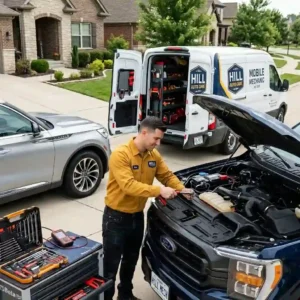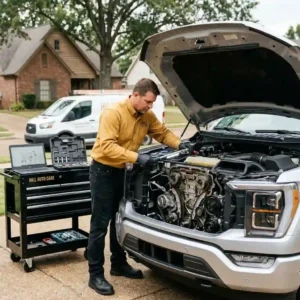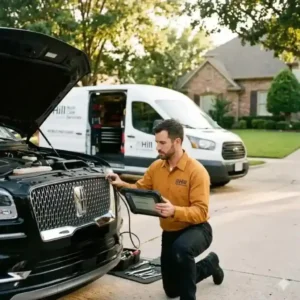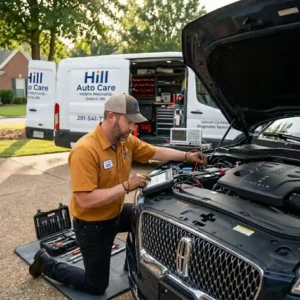
Ford and Lincoln vehicles are built with impressive engineering, offering exceptional power, interior comfort, and long-term durability. From hardworking F-150 pickup trucks to luxurious Lincoln Navigator SUVs, these vehicles handle daily commutes, heavy-duty towing, and long family road trips with confidence. However, every automobile brand experiences specific mechanical wear patterns, thermal stresses, and technical faults over time as mileage accumulates. Oxford Auto Care helps drivers understand these potential issues and take proactive measures to protect their automotive investment. With expert guidance from Oxford Auto Care, minor component wear can be identified early before developing into catastrophic, highly expensive mechanical failure.
Understanding Common Mechanical Challenges in Modern Vehicles
Modern domestic vehicles rely on complex electronic networks, high-output turbocharged engines, and adaptive suspension systems. While these modern technologies deliver incredible driving dynamics, improved power output, and impressive fuel economy, they also require precise maintenance and accurate computer diagnostics when something goes wrong. Turning to Oxford Auto Care and an experienced mobile mechanic for routine inspections ensures that hidden sensor faults, fluid leaks, and mechanical wear are addressed before they cause unexpected roadside breakdowns. For Ford and Lincoln owners, Oxford Auto Care provides convenient automotive support to help identify developing issues early and keep vehicles performing reliably.
7 Key Ford & Lincoln Failure Points and Solutions
- EcoBoost Coolant Intrusion & Engine Overheating: Certain 1.5L, 2.0L, and 3.5L EcoBoost engines develop internal coolant leaks past the cylinder head gasket or through cylinder block wall grooves. When coolant enters the combustion chamber, it leads to rough idling upon cold starts, sweet-smelling white exhaust smoke, rapid coolant loss without visible ground puddles, and severe engine overheating. Timely Oxford Auto Care cooling system pressure testing identifies gasket erosion early to protect your cylinder head and engine block from warping.
- 10-Speed Transmission Shudder & Hesitation: The 10R80 10-speed automatic transmission found in many Ford F-150s, Explorers, Mustangs, and Lincoln Navigators can experience rough gear engagement, delayed shifting, or sudden shuddering between gears. This condition is usually caused by sticking internal solenoid valves, software calibration glitches, or premature wear within the valve body and internal roll pins. Routine Oxford Auto Care transmission evaluations include reading diagnostic trouble codes, flashing updated transmission control software, and flushing contaminated fluid to restore crisp, seamless shifting.
- Lincoln Air Suspension Sagging & Compressor Burnout: Luxury Lincoln SUVs equipped with adaptive air ride systems, such as the Navigator and Aviator, often experience sagging at one or more corners after sitting parked overnight. This occurs when flexible rubber air spring bellows dry-rot, develop micro-cracks, and leak air pressure. A leaking air bag forces the electric compressor pump to run continuously, eventually causing total compressor motor burnout. Dedicated Oxford Auto Care air spring replacement seals system pressure and saves you from replacing expensive compressor units.
- Cam Phaser Cold-Start Rattle in EcoBoost V6 Engines: A prominent, loud metallic rattle lasting 2 to 5 seconds upon starting a cold 3.5L EcoBoost engine indicates worn variable camshaft timing (VCT) phasers. Internal locking pins inside the phasers wear down over time, causing internal components to knock until oil pressure fully builds up. Ignoring this rattle creates slack in the primary timing chain, leading to timing chain stretch, ignition misfires, and permanent engine damage. Professional Oxford Auto Care timing service replaces worn phasers with upgraded factory components to keep your engine running in perfect sync.
- Spark Plug Ejection & Ignition Misfires: High combustion pressures in turbocharged EcoBoost engines accelerate spark plug electrode wear and carbon buildup, causing ignition misfires under heavy acceleration or towing loads. Older V8 Triton engines also suffer from spark plug thread failure where plugs can eject from the cylinder head. Specialized Oxford Auto Care spark plug servicing prevents thread damage, ensures proper gap clearance, and maintains clean, efficient combustion. Learn more about our technical expertise on our ABOUT US page.
- PowerShift Dual-Clutch Transmission Jerking: Ford Focus and Fiesta models equipped with PowerShift dual-clutch transmissions frequently exhibit severe shuddering, slipping, and hesitation when accelerating from a complete stop. This issue is typically caused by fluid contamination on the clutch friction plates, worn actuator motors, or faulty transmission control modules. Scheduled Oxford Auto Care clutch adjustments, input shaft seal replacements, and module re-flashing stabilize dual-clutch transmission performance. Explore complete service options on our SERVICES page.
- SYNC Infotainment System & Electrical Module Glitches: Central touchscreen freezes, Bluetooth connection dropouts, non-responsive navigation displays, and unexpected instrument cluster glitches stem from software errors, ground wire corrosion, or low battery system voltage. Because modern Ford and Lincoln vehicles feature dozens of interconnected electronic control units (ECUs), a drop in electrical power causes random system failures. Comprehensive Oxford Auto Care electrical testing checks battery cold-cranking amps, evaluates alternator output, and resets unresponsive control modules.
In-Depth Diagnostic Strategies for Complex Vehicle Systems
When modern vehicles exhibit performance issues, basic visual checks are rarely enough to identify the root cause of the problem. Today’s cars use sophisticated onboard diagnostic networks that record real-time operational data, sensor voltages, and system fault histories.
Proper diagnostic procedures prevent unnecessary parts replacement and ensure that repairs directly target the core mechanical or electronic failure.
Key Inspection Protocols for High-Tech Components
- Live ECU Data Monitoring: Specialized diagnostic scanners record real-time fuel trims, turbocharger boost pressure levels, cylinder misfire counters, and transmission fluid temperatures to catch intermittent problems.
- Borescope Cylinder Inspections: Inspecting combustion chambers with miniature fiber-optic cameras allows technicians to check cylinder walls for coolant intrusion, valve carbon buildup, and piston wear without disassembling the engine.
- Smoke Testing for Air & Pressure Leaks: Vacuum leaks, turbo intake leaks, and air suspension line leaks are quickly pinpointed using pressurized diagnostic smoke machines.
- Digital Battery & Charging Load Tests: Comprehensive electrical testing evaluates battery conductance, starter draw, and alternator ripple current to prevent unexpected battery failure and electronic module corruption.
Essential Preventive Maintenance Schedule
Following a structured, regular service schedule is the single most effective strategy for avoiding major mechanical repairs, maximizing fuel efficiency, and extending the operational lifetime of your vehicle.
Adhering to milestone-based vehicle servicing prevents minor wear from escalating into severe system breakdowns.
Mileage Milestones for Long-Term Vehicle Care
- Every 5,000 to 7,500 Miles: Perform a full synthetic oil change using manufacturer-recommended oil grades, replace the engine oil filter, rotate tires to ensure even tread wear, and conduct a thorough multi-point fluid and safety inspection.
- Every 15,000 to 30,000 Miles: Replace the engine air filter to maintain proper intake airflow, change the cabin air filter for clean cabin environment, inspect brake pad thickness and rotor condition, and check wiper blade integrity.
- Every 45,000 to 60,000 Miles: Perform a comprehensive transmission fluid flush, replace high-boost EcoBoost spark plugs, test battery cold-cranking capacity, and inspect air suspension lines for cracking. Discover complete care programs under AUTOMOTIVE MAINTENANCE OPTIONS.
- Every 90,000 to 100,000 Miles: Flush engine coolant to maintain corrosion inhibitors, inspect timing chain condition and belt wear, service all-wheel-drive transfer case and differential fluids, and complete a full suspension bushing check.
Comparing Generic Repair Shops vs. Specialized Automotive Care
Where you choose to have your Ford or Lincoln serviced plays a massive role in the long-term health and performance of your vehicle.
Understanding the technical differences between quick-lube outlets and specialized automotive care centers ensures your car receives the exact standard of care required.
Critical Service Differences and Standards
- Factory-Grade Diagnostic Capabilities: Generic quick-lube shops use basic handheld code readers that only display surface-level error codes. Dedicated Oxford Auto Care specialists use advanced diagnostic tablets capable of accessing hidden manufacturer modules, running active bi-directional component tests, and flashing ECU updates.
- Engine-Specific Fluid Formulations: Modern turbocharged engines require high-viscosity, fully synthetic oils that resist intense thermal breakdown inside turbocharger bearings. Using cheap bulk oil from generic shops leads to sludge formation, turbo bearing failure, and premature timing chain wear.
- Certified Specialized Knowledge: Complex systems like 10-speed automatic transmissions, variable valve timing phasers, and air suspension networks require technicians trained specifically on domestic luxury and truck platforms. Specialized care guarantees accurate installation and precise torque specifications on every component.
- High-Grade Replacement Components: Using low-quality aftermarket parts often leads to premature part failure, improper fitment, and active check engine lights. Professional service relies on original equipment manufacturer (OEM) or high-tier equivalent parts backed by warranty protection.
Frequently Asked Questions
1. Why does my EcoBoost engine make a metallic rattling sound when started cold?
A cold-start rattle usually points to worn variable camshaft timing phasers knocking until oil pressure builds up inside the unit. Having an Oxford Auto Care technician inspect the system early prevents timing chain stretch, timing guide damage, and costly engine misfires.
2. Is it safe to drive my Lincoln SUV if the check air suspension warning light comes on?
Driving with an inactive air suspension causes an extremely harsh ride, misaligns your headlights, damages suspension bushings, and leads to rapid tire wear. It is best to schedule an Oxford Auto Care inspection immediately to seal air leaks before the electric compressor pump fails completely.
3. How often should transmission fluid be serviced on a 10-speed Ford transmission?
While factory service manuals suggest longer intervals under ideal conditions, severe driving, heavy towing, and stop-and-go city traffic warrant servicing transmission fluid every 45,000 to 60,000 miles. Fresh fluid provided by an Oxford Auto Care technician protects delicate internal transmission valves and solenoids.
4. What should I do if my check engine light starts flashing while driving?
A flashing check engine light indicates an active, severe engine misfire that allows unburned fuel into the exhaust, which can rapidly overheat and destroy your catalytic converter. Pull over safely, shut off the engine, and contact an Oxford Auto Care specialist for immediate diagnostic help.
5. How can I tell if my EcoBoost engine has an internal coolant leak?
Common indicators include dropping coolant levels without visible puddles beneath the car, sweet-smelling white exhaust smoke, and engine sputtering upon cold startup. An Oxford Auto Care cooling system pressure test quickly confirms if internal gasket damage is present.
6. Why does my vehicle shudder or jerk when accelerating from a complete stop?
In dual-clutch or 10-speed automatic transmissions, shuddering is typically caused by fluid-contaminated clutch plates, sticking control solenoids, or outdated control software. An Oxford Auto Care evaluation pinpoints whether clutch adjustments, software re-flashing, or fluid flushes are required.
7. How often do spark plugs need to be replaced in turbocharged engines?
Because EcoBoost engines operate under high combustion pressures and thermal stress, spark plugs should be inspected and replaced every 45,000 to 60,000 miles. Timely Oxford Auto Care spark plug servicing ensures smooth acceleration, optimal fuel economy, and protects ignition coils from overload.
Conclusion
Taking proper care of your vehicle does not have to be stressful or overwhelming. By prioritizing regular maintenance and addressing early warning signs with expert Oxford Auto Care solutions, you protect your engine from severe thermal wear, keep your transmission shifting smoothly, and preserve your vehicle’s resale value for years to come.
Whether you need a computer diagnostic scan, routine synthetic oil change, or specialized air suspension repair, taking action at the first sign of trouble keeps your truck or SUV safe and dependable on every road ahead. Head over to our SERVICES page to explore all maintenance options, read more on our ABOUT US page, or visit our BOOK AN APPOINTMENT portal to reserve your service appointment today!